
the power of awe & light
Feb 01, 2026Between 2011 and 2015, I traveled to Kenya, Ethiopia, and Malawi as a photoblogger. These trips were organized by the ONE Campaign, a foundation whose mission is to fight extreme poverty and preventable disease, especially in Africa. The purpose of each of those trips was to record and celebrate the incredible advances being made by the governments, health ministries, and NGOs of the region, often with the help of agencies and initiatives like USAID and PEPFAR. On each trip, the brilliance and resiliency of the local officials on the ground were on full display, and their progress and successes weren’t hard to find. Neither were their joy and light.
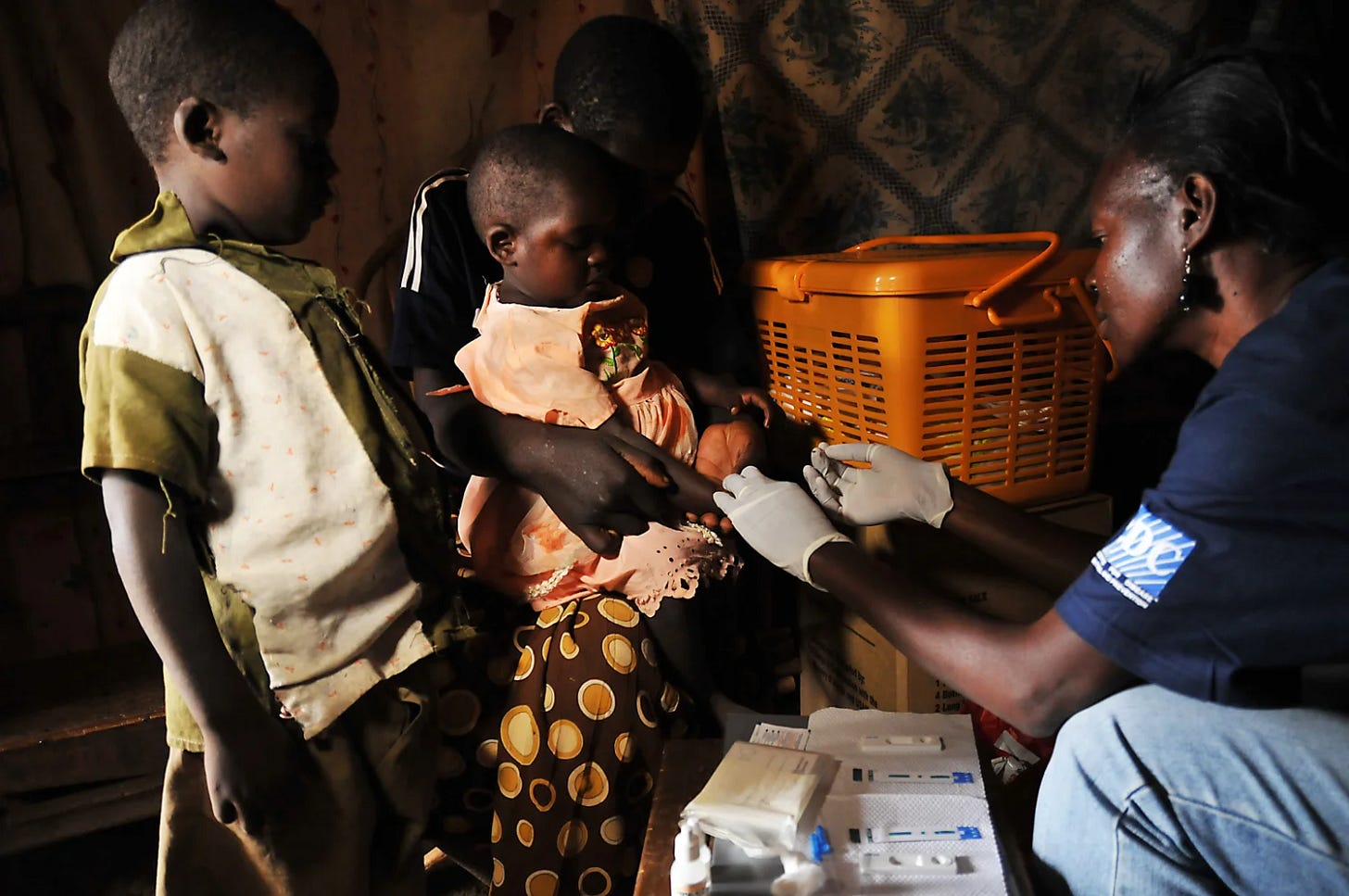
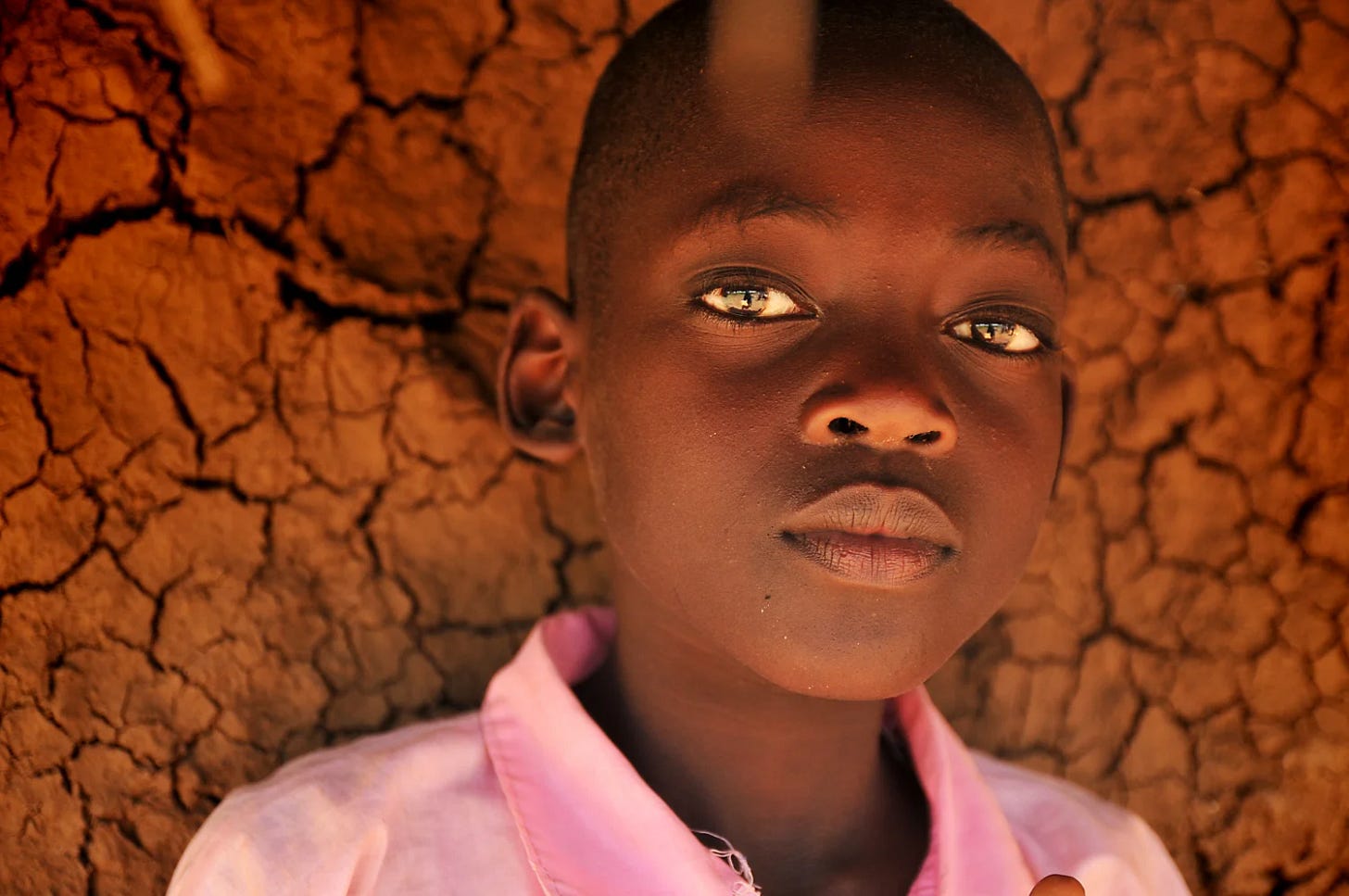
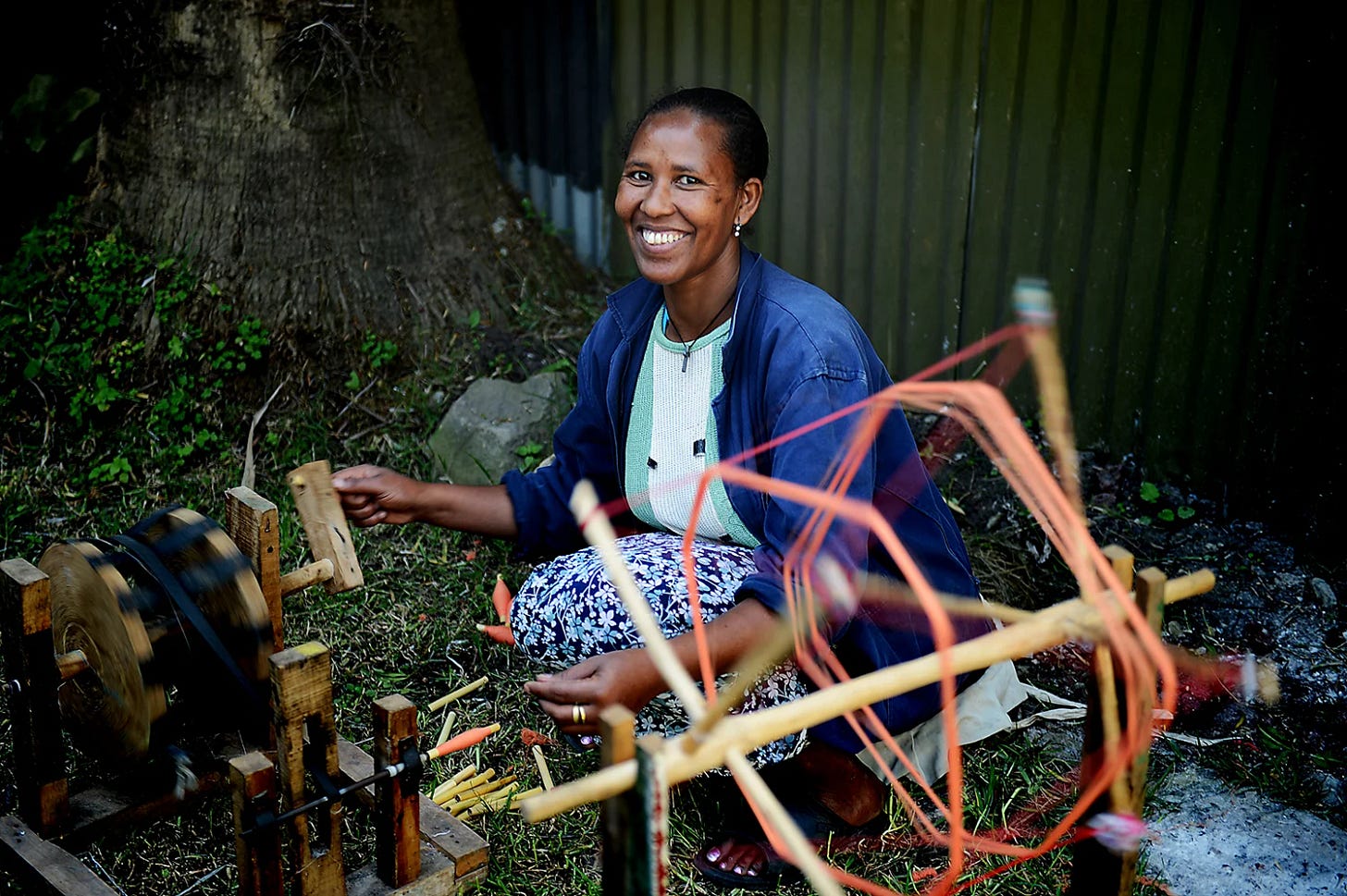
The ONE Campaign has a history of using joy and light in promoting its efforts, and I remember speaking with one of their executives about this very thing. I was marveling at how doggedly fun and positive the organization’s messaging was (you can see examples here and here), and I remember her being very blunt with me.
“There’s a reason for this,” she said. “Back in the 70s and 80s, most of the media around extreme poverty included — pardon the phrase — ‘fly in the eye’ imagery: videos of emaciated, starving children, lying listlessly, with flies swarming around them. Aside from those images being dehumanizing (and, honestly, perpetuating some pretty racist stereotypes), they had the opposite of their intended effect — folks averted their eyes and tried to forget what they’d seen. But when you approach advocacy the way we do, amplifying stories of success and resilience and ingenuity, people love it. They’re in awe of the people who are making things happen, and they want to be a part of it.”
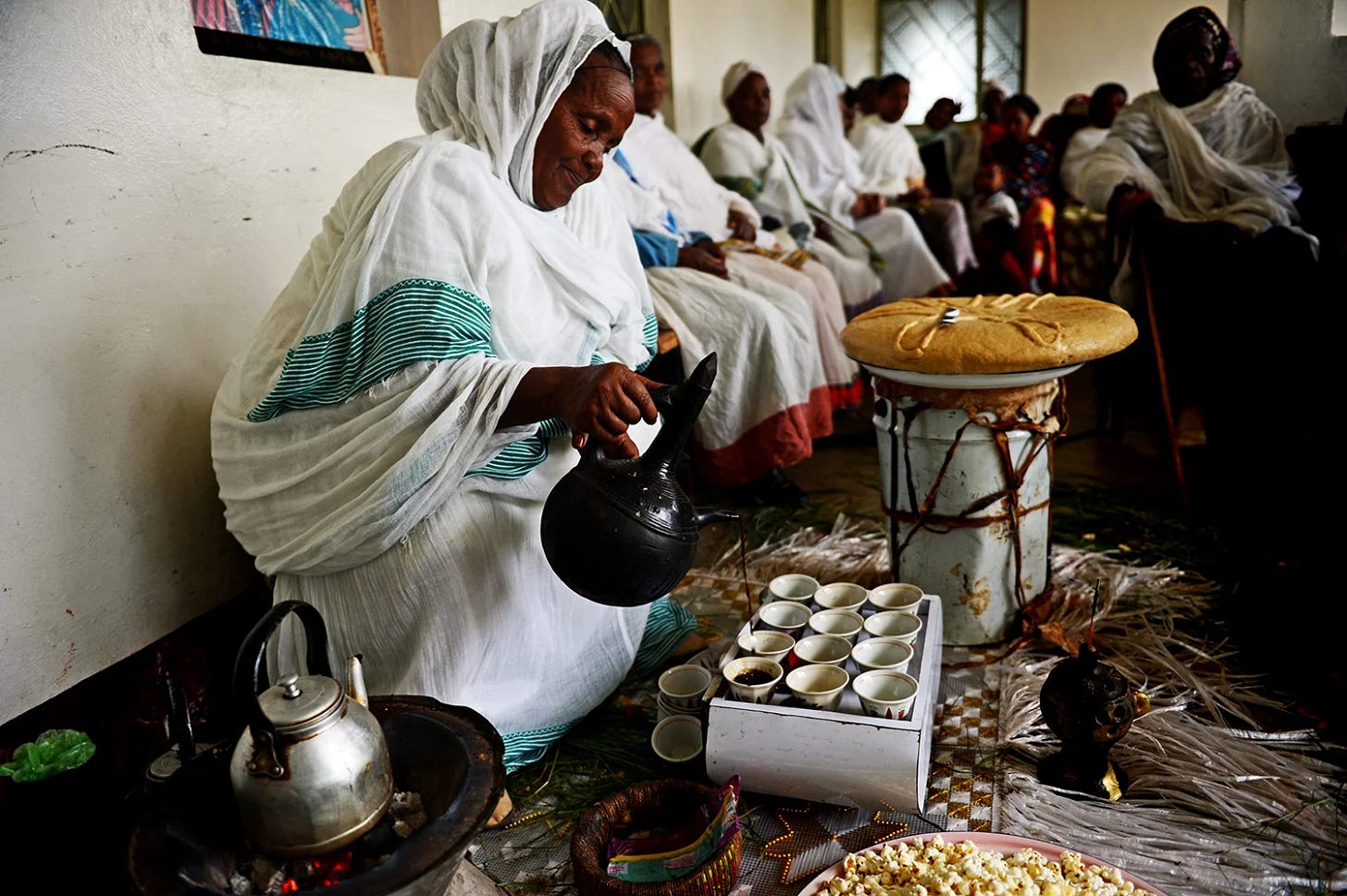
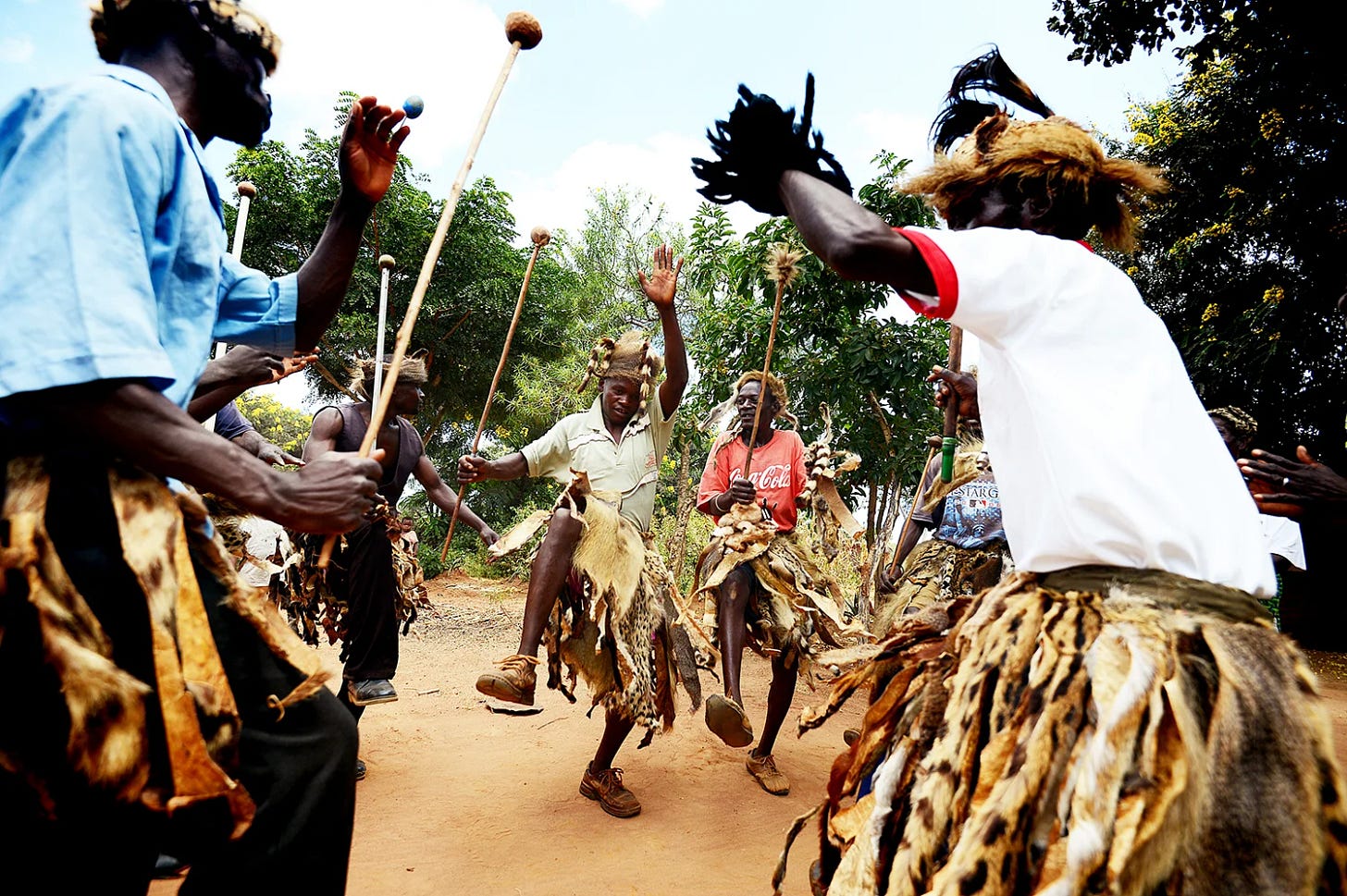
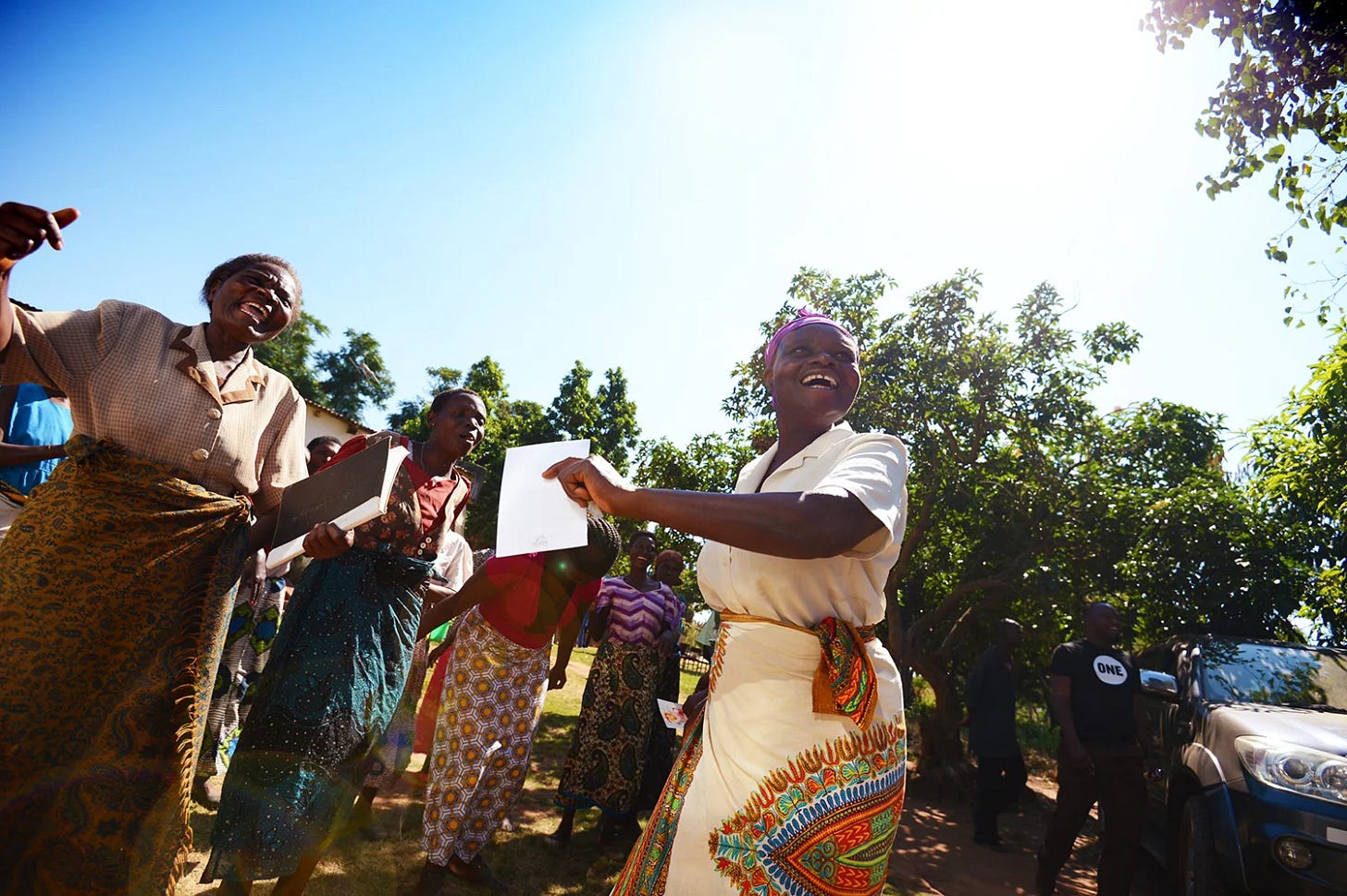
I’ve never forgotten these words. And it turns out that ONE was onto something. Dacher Keltner, professor of psychology at the University of California, Berkeley, wrote this great book: Awe: The New Science of Everyday Wonder and How it Can Transform Your Life. In it, Keltner says the most common way folks experience awe is by witnessing other people’s courage, kindness, strength, or overcoming. He writes, “We are most likely to feel awe when moved by moral beauty,” and he continues by saying that experiencing awe “transforms us by quieting the nagging, self-critical, overbearing, status-conscious voice of our self, or ego, and empowering us to collaborate, to open our minds to wonders, and to see the deep patterns of life.”
How’s that for inspiring a desire to make good happen?
Mr. Rogers famously said that in times of struggle and challenge, we should “look for the helpers.” But lately, I’ve seen a lot of folks online say, “Who do we look to when the helpers are being brutalized, murdered, and arrested?” I understand the sentiment — I do — but it occurs to me that the concept of awe might be really helpful in navigating the world we’re facing today.
So with apologies and all respect to Mr. Rogers, I’d like to amend his famous quote, and instead, advise the following:
look for the awesome.
Now, don’t get it twisted: I think the citizen journalists who are capturing footage of the dehumanization by ICE agents, or the independent journalists who are reporting the (admittedly horrifying) news, are doing God’s work, even as what’s being shared is breathtaking in its cruelty. And I certainly am not suggesting that we pretend the awful doesn’t exist. I’m suggesting that the helplessness we’re all feeling might be because we’re ingesting this steady diet of images and stories that make us want to avert our eyes. They make us want to forget what we’ve seen.
I’m suggesting we equally focus on the awesome. The light. Because it’s there.
It’s there in the thousands of Minneapolis demonstrators who remain unbowed, despite attacks on their city.
It’s there in journalist Don Lemon’s and journalist Georgia Fort’s statements, made after they were released from jail, both vowing to stay committed to reporting and telling the truth despite the administration’s attack on them, their work, and the First Amendment.
It’s even there when judges take a stand for justice.
It’s there in the millions of people all over the world who are taking care of each other, whether it’s handing out hot thermoses of tea at demonstrations, or welcoming the marginalized into their communities, or even using their skills to fight extreme poverty and preventable disease.
So, let’s focus on the awesome, at least as much as we doomscroll or read horrifying stories. Because the awesome and the light are there, if we just look for them.
And then, let the awesome inspire us to take affirmative steps to be a part of it, in all the ways that feel natural and intentional. Because the world needs our light.